Tomodachi Life: Living the Dream [Review]
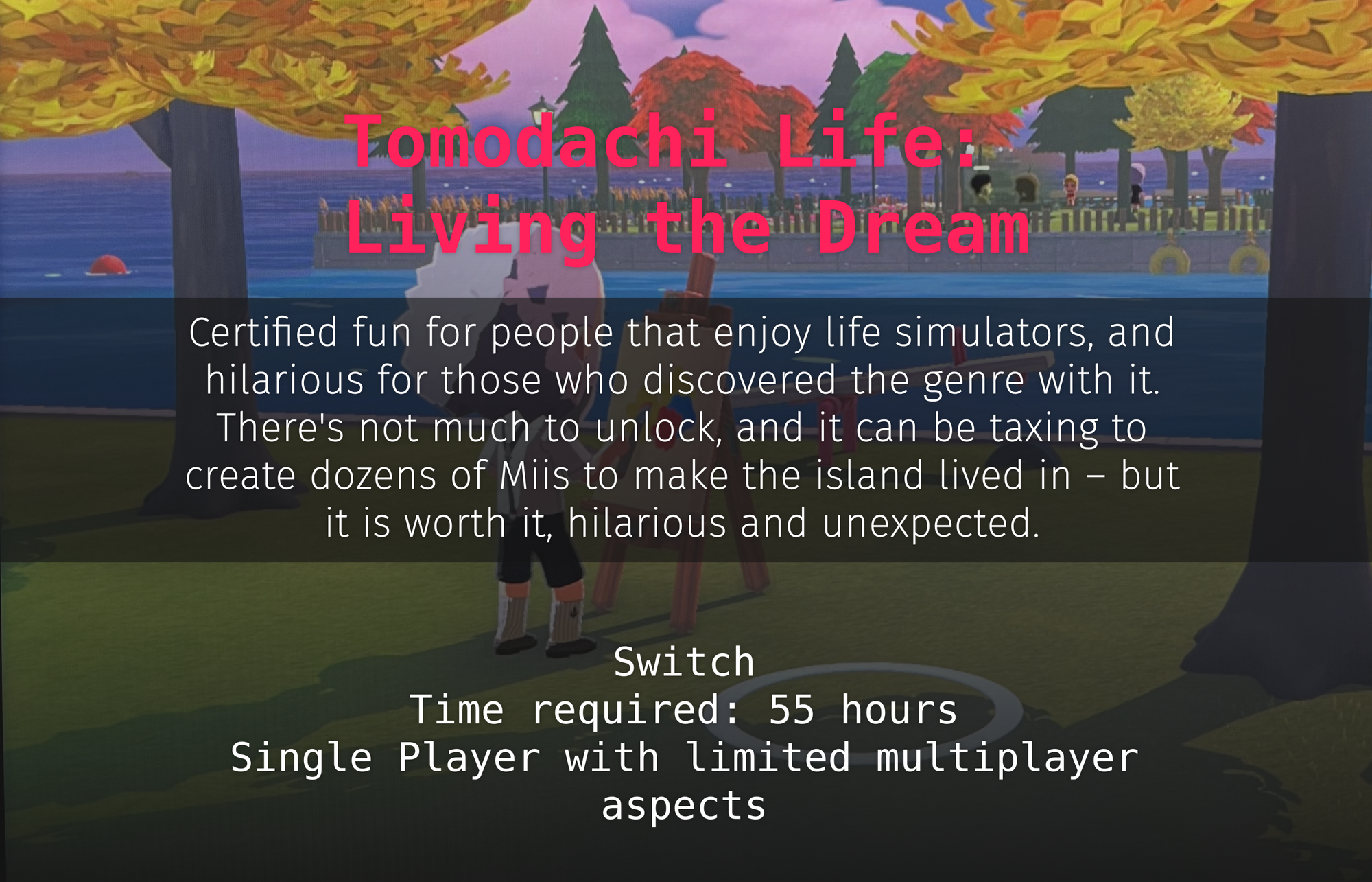
Tomodachi Life: Living the Dream is certified fun for people that enjoy life simulators, and hilarious for those who discovered the genre with it. There's not much to unlock, and it can be taxing to create dozens of Miis to make the island lived in – but it is worth it, hilarious and unexpected.
![Tomodachi Life: Living the Dream [Review]](https://storage.ghost.io/c/99/4e/994ec29e-38c9-4a86-87eb-e15f426ddf35/content/images/size/w1200/2026/05/6-1.png)
A clear sign that Tomodachi Life: Living the Dream is great at what it does is how unexpected it is to open the game and see the lives of my 57 little Mii friends. People will fall for each other, be happy, sad and angry at seemingly random moments, all in a single day.
The first thing to do here is also one of the most important sides of the game: creating a Mii. The character creator is great, with specific customization that goes beyond any Mii Creator before. There are several options for almost everything, and creating unique inhabitants is easier than ever before.
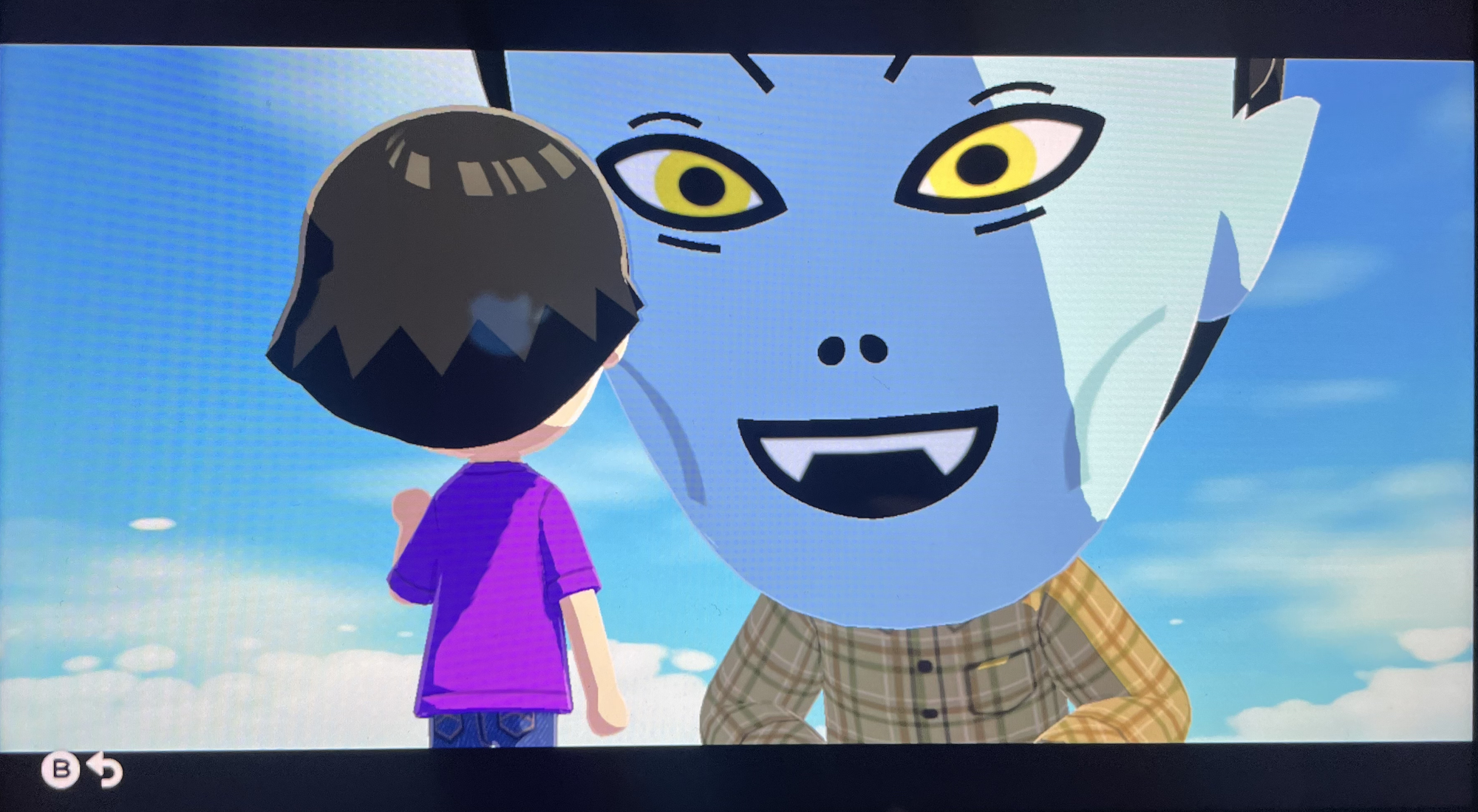
There's also a face paint feature to create specific details like piercings, scars and everything else that my mind desired. It is possible to use the touchscreen for it, but without a stylus, it isn't that precise. Living the Dream is a Switch 1 title, so no mouse support for it – and it was sorely missed.
It was up to me to do basically everything in this game. Things start simple: make this small island the best it could ever be. I was basically god – omnipotent through the island, with the power to change everything as much as I wanted, with some limits being there for the initial third of the game, behind the amount of Miis in the island.
There's a constant push to create more of them, and this can sometimes be a bit overwhelming. Having the creativity to pull off dozens of characters to progress through the early game is no easy task, and it did felt like a chore from time to time. Still, creating characters is always rewarding: they are living in THE Socks Island, after all!
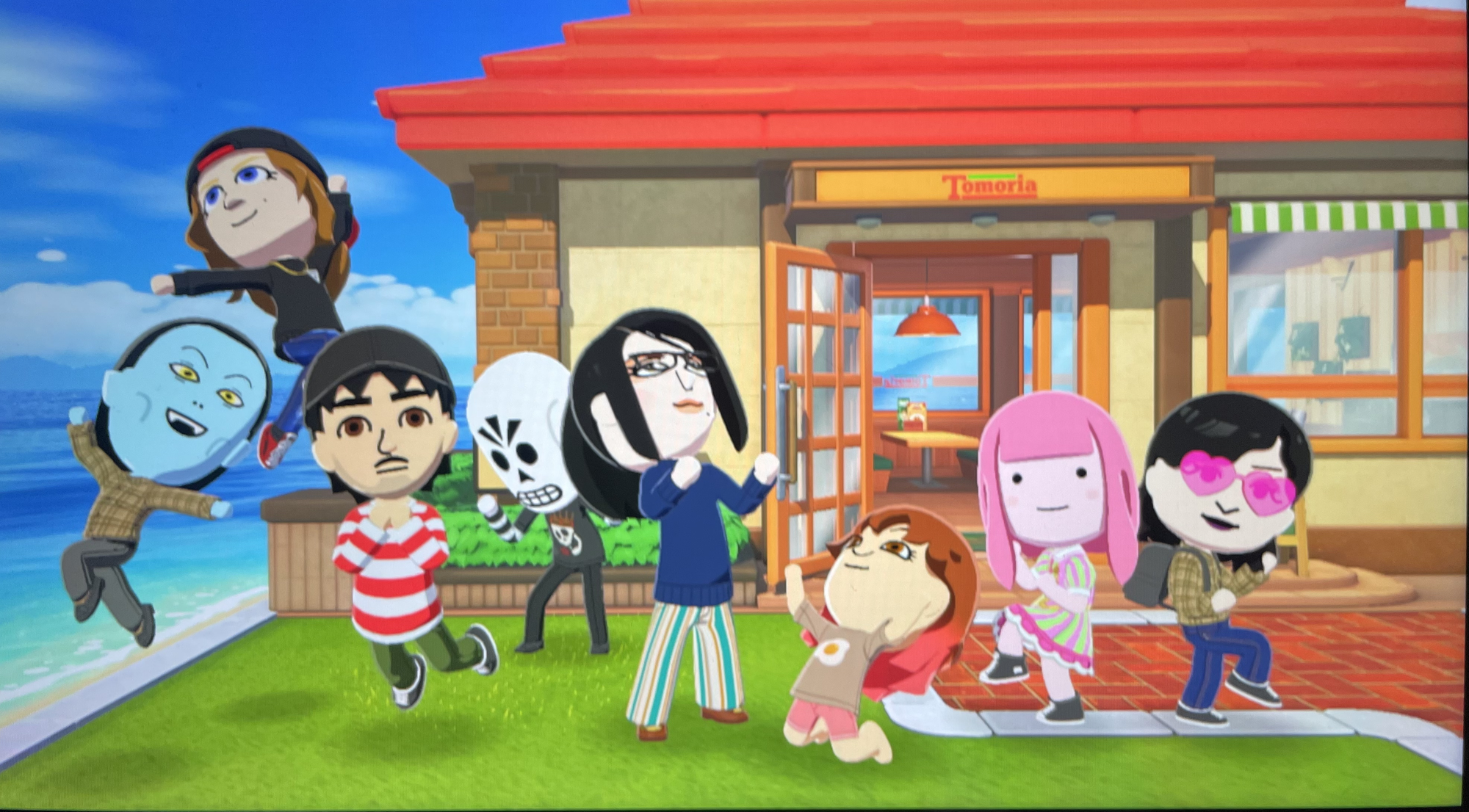
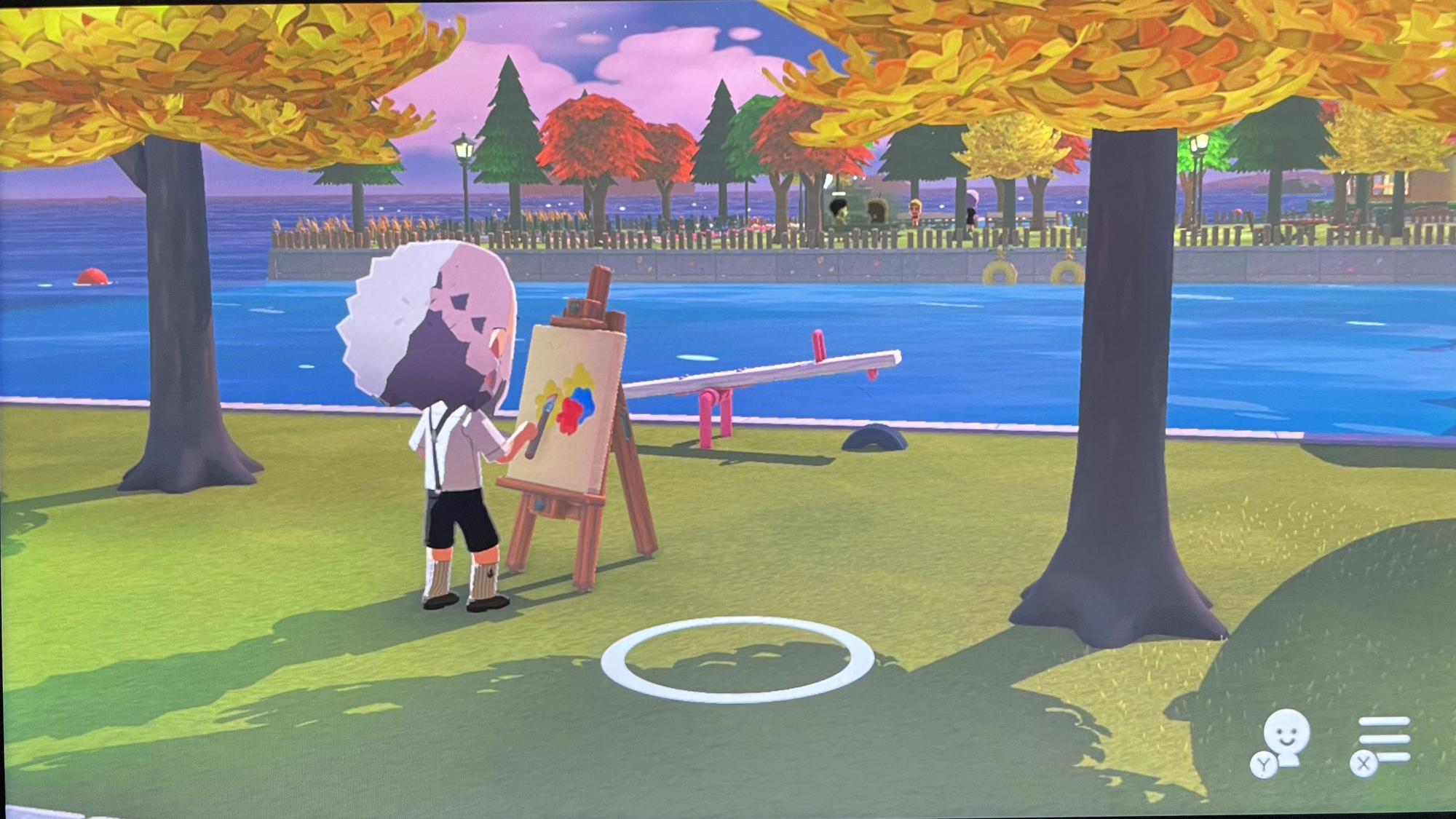
The gang having some fun while Karl Marx paints the the scenery.
Seeing them interact is honestly pretty hilarious and unexpected. I tried to create some friends, celebrities and fictional characters, and it was nice to see how their lives can be intriguing and fun. The Miis needed my constant watch, though: they won't eat by themselves, and will sometimes need my opinion or want to play a mini-game with me.
So finding their favorite foods, clothes and items was an objective almost as important as creating the Miis themselves. As their happiness grow, so do their levels, and I could make them even more unique, with little quirks or custom dialogues. As each Mii received said perks and items, they start to become more autonomous, doing stuff on the streets, by themselves or with one another.
It is rewarding to see some aspects of their personality progress because I did something to this little character some days ago. The Miis sure are random, but the way they act is somewhat predictable since I was the person that decided their personalities, so it is unexpected, but not entirely unpredictable.
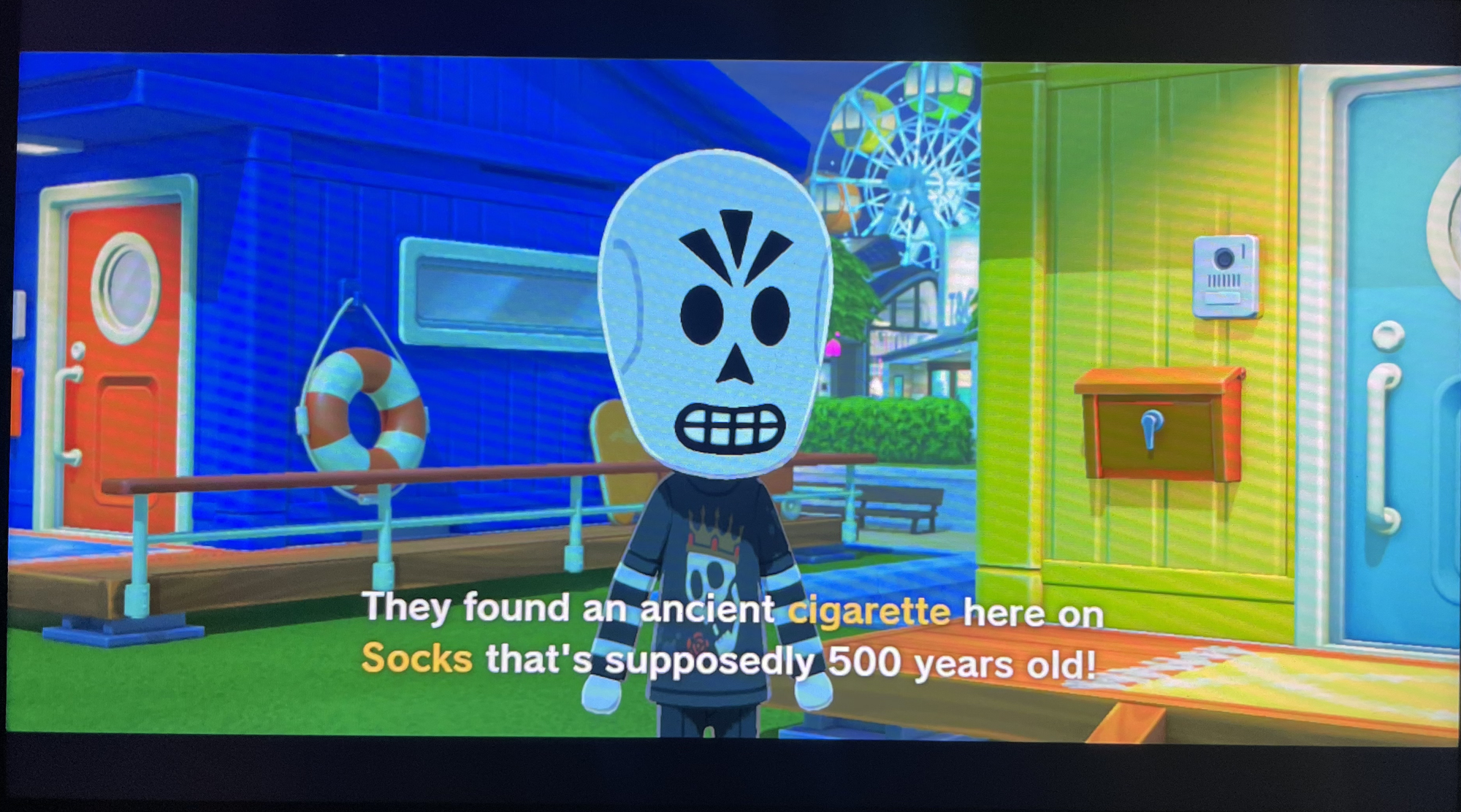
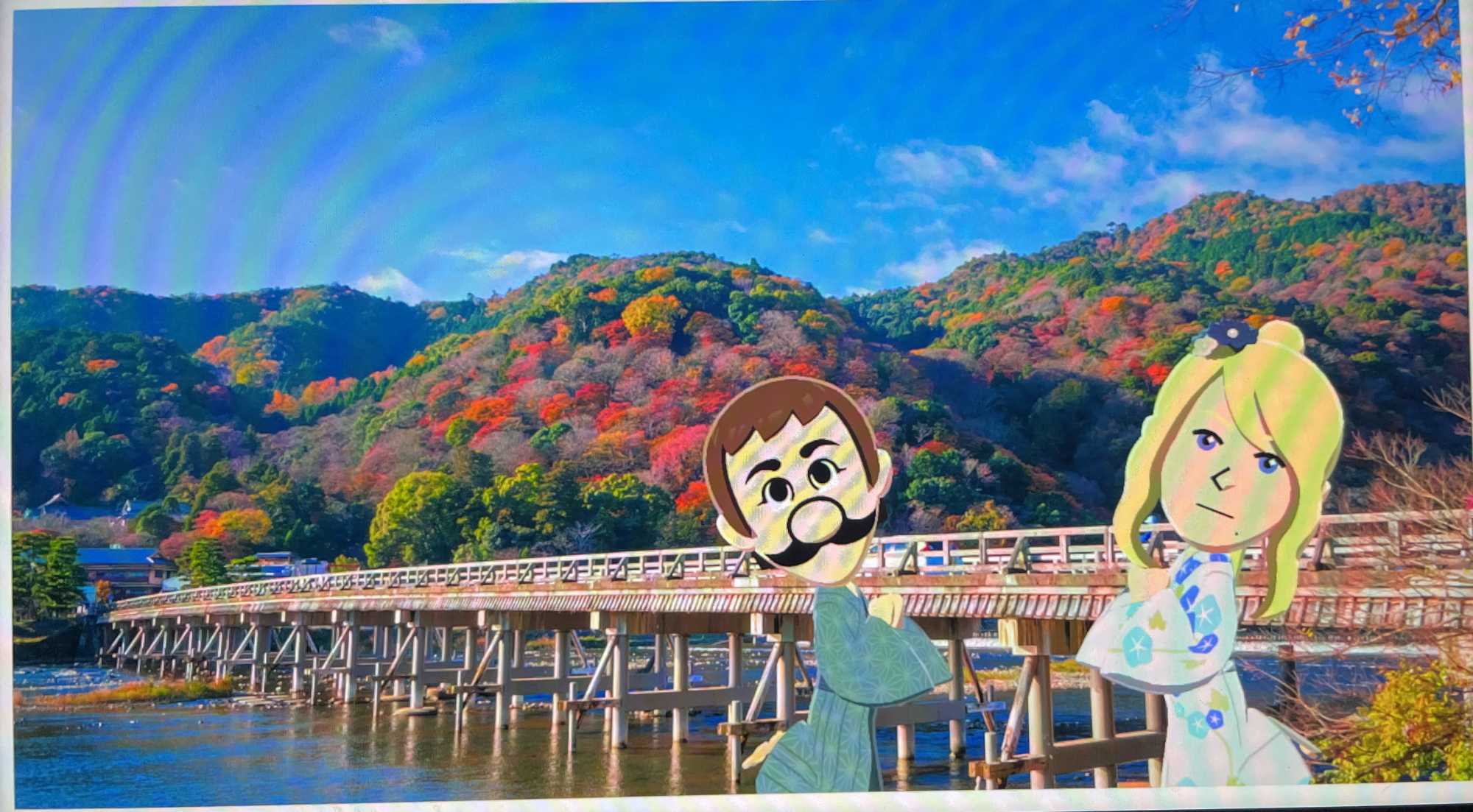
An interesting fun fact brought to you by Manny Calavera and a gorgeous picture from the honeymoon of Luigi and Samus in Kyoto, Japan.
Leveling up doing good deeds to the Miis also reward some happiness points that can be exchanged for "wishes" in the city fountain, and this is the progression of the game, at 100 wishes, the credits roll. The first third was pretty well spread out with interesting wishes every level. It is here where the quirks and world objects can be unlocked.
In the first 15 hours of the game, the pacing of new objects, quirks and decorations was interesting enough and made the world more enticing. The thing is that there's a moment where these new stuff stop appearing, and it is too early on the game. It was a 55 hour adventure for me to see the credits, and for the most part, there wasn't new quirks, goods and world items as nice as the ones at the beginning of the game.
Happiness is good and all, everyone sure can be friends, but life simulators need some conflict to stay interesting and engaging. Living the Dream is, fortunately, no stranger to drama. Miis will develop platonic loves, crushes and face rejection. Later, when their relationships get more complex, fights can break out and Miis will stop talking to each other altogether for a while until someone says sorry.
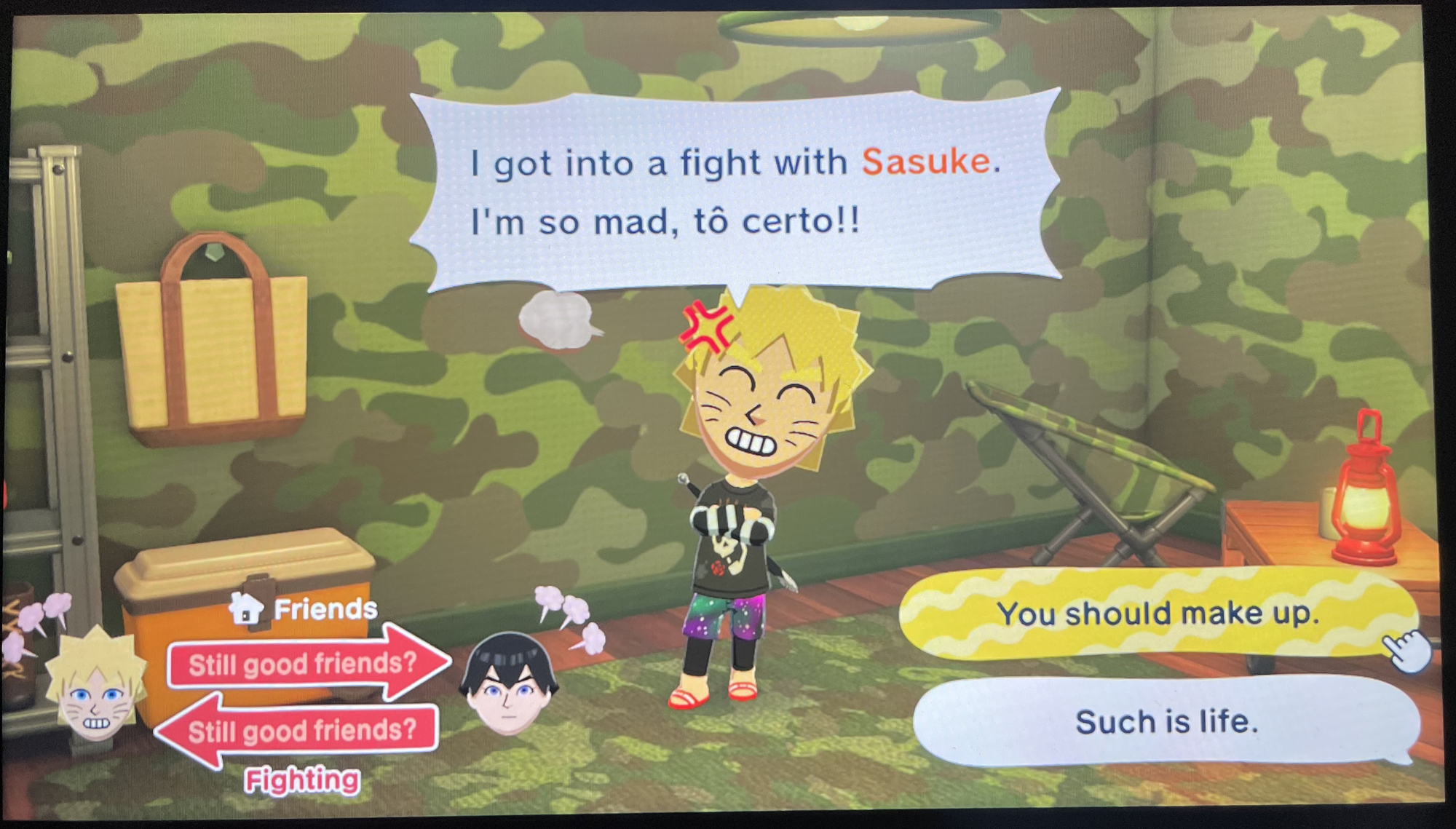
Ultimately though, Living the Dream is not stressful at all, and the conflicts that arise are easily solvable with some intervention from me. I think that these frictions should've started earlier, though, to make the middle of the game a bit more flashed out. Also, Miis can interact with some of the things in the environment, but I didn't feel that there were enough 'special' buildings where the Miis could do stuff.
Of course that the world interactions are nice, but there aren't many special places for Miis to be themselves. They are in need of some third spaces. Effectively, there's only a restaurant and a news station where they can be themselves, and while both of these are very funny and full of different events, they get somewhat samey.
The customization is pretty impressive, I could create not only clothes and objects but also buildings, props and foods. While the more individual stuff can be more specific, like how a food tastes or the smell of a specific item, most of the unique creations serve only to make the island pretty.

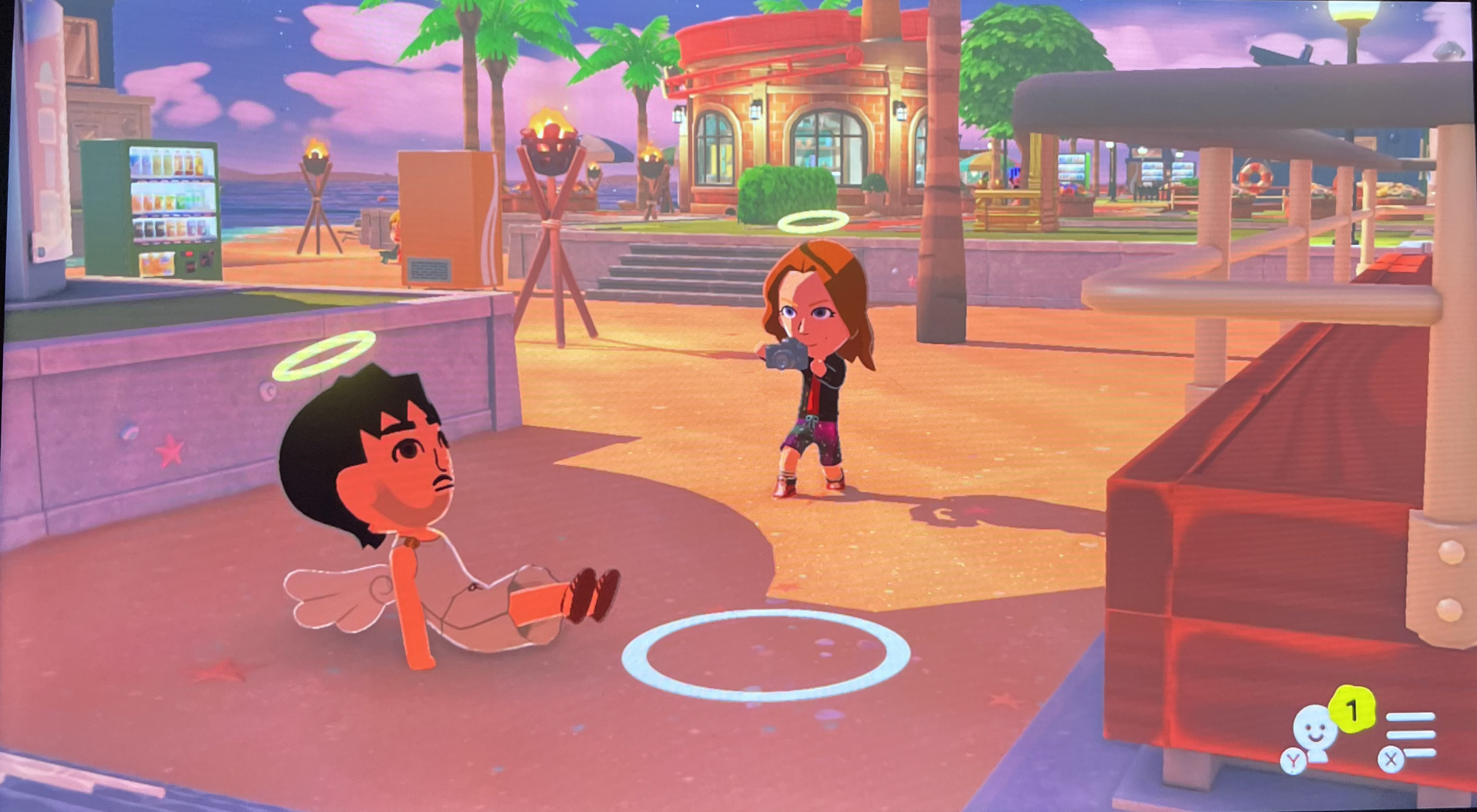
I can make my Miis say almost anything and although I can't exactly dictate how they'll react, they will indeed talk about anything I want. Because of this, Nintendo limited the way to export screenshots from the game, as you may have already guessed from the captures that I've added here. I understand the limitation, but honestly, does it really matter? People who want to share screenshots can just take pictures of their screens, like I did. It is such a shareable game, and I think that it is bothersome to need workarounds to show silly things to my friends.
As the day goes by through a real world clock, the Miis will ask for several different things, and there's a thrill (and very funny animations) for almost everything special. If a food is deeply loved (or hated), a special scene plays, and there are more than one scene for a lot of interactions. Of course that many of these repeated sometimes, but as the game progress, the amount of interactions start to really diversify, because each Mii has a more unique personality and hobbies.
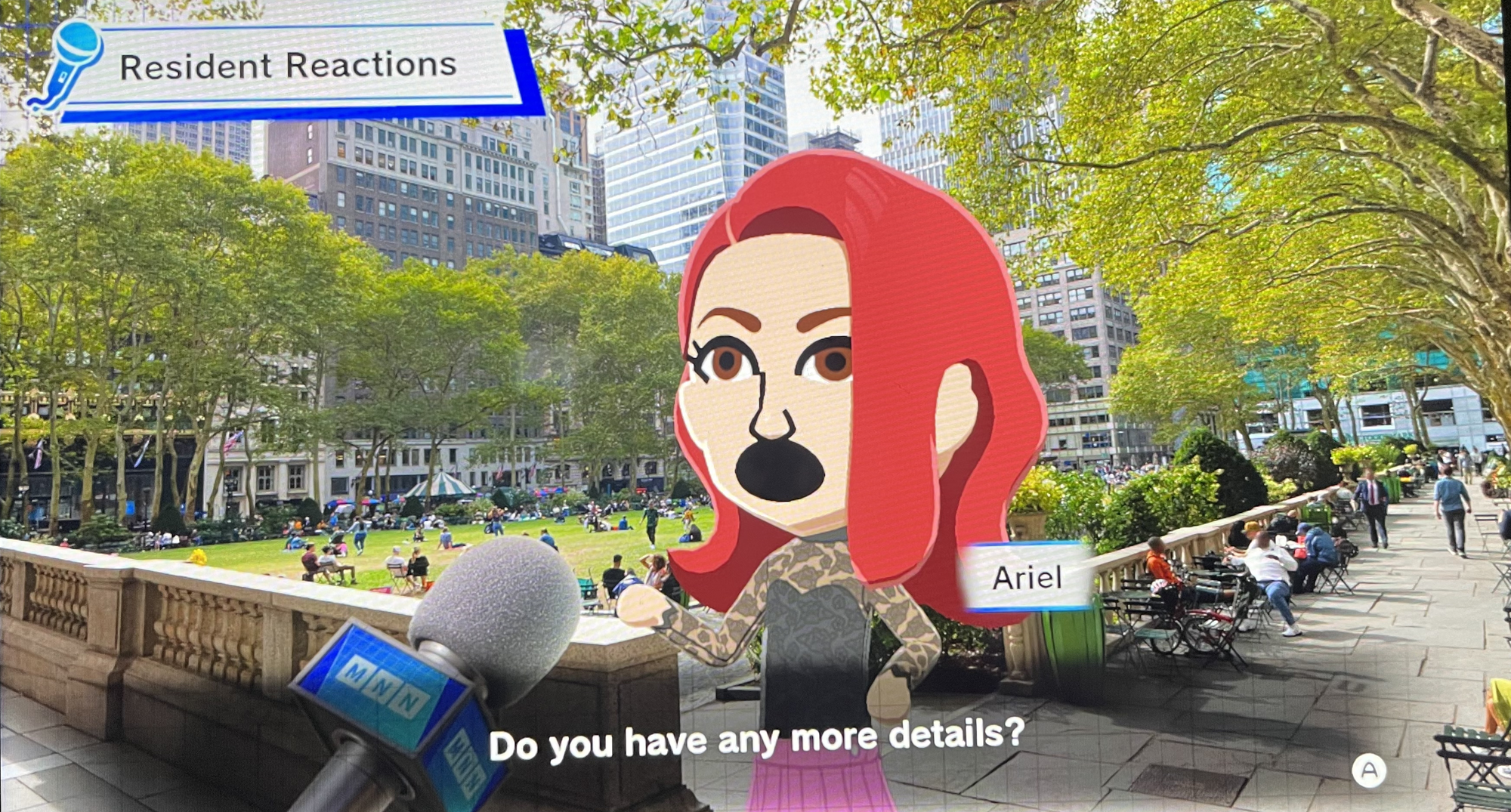
It is required a good amount of creativity to live the dream, and while the pace of the rewards is not that good, added to the lack of third spaces for the Miis to interact, a bit of time investment is required to make the game really fun, so be prepared to it.
Tomodachi Life: Living the Dream is certified fun for people that enjoy life simulators, and hilarious for those who discovered the genre with it. There's not much to unlock, though, and it can be taxing to create dozens of Miis to make the island lived in – but it is worth it, always hilarious and unexpected.
A "Love Island" simulator.
8.5/10
![SAROS [Review]](https://storage.ghost.io/c/99/4e/994ec29e-38c9-4a86-87eb-e15f426ddf35/content/images/size/w720/2026/05/SAROS_20260507232723.jpg)
![Urban Myth Dissolution Center [Review]](https://storage.ghost.io/c/99/4e/994ec29e-38c9-4a86-87eb-e15f426ddf35/content/images/size/w720/2026/04/IMG_6683.jpeg)
![Pragmata [Review]](https://storage.ghost.io/c/99/4e/994ec29e-38c9-4a86-87eb-e15f426ddf35/content/images/size/w720/2026/04/PRAGMATA_CAPA.jpg)
Comments ()