Urban Myth Dissolution Center [Review]
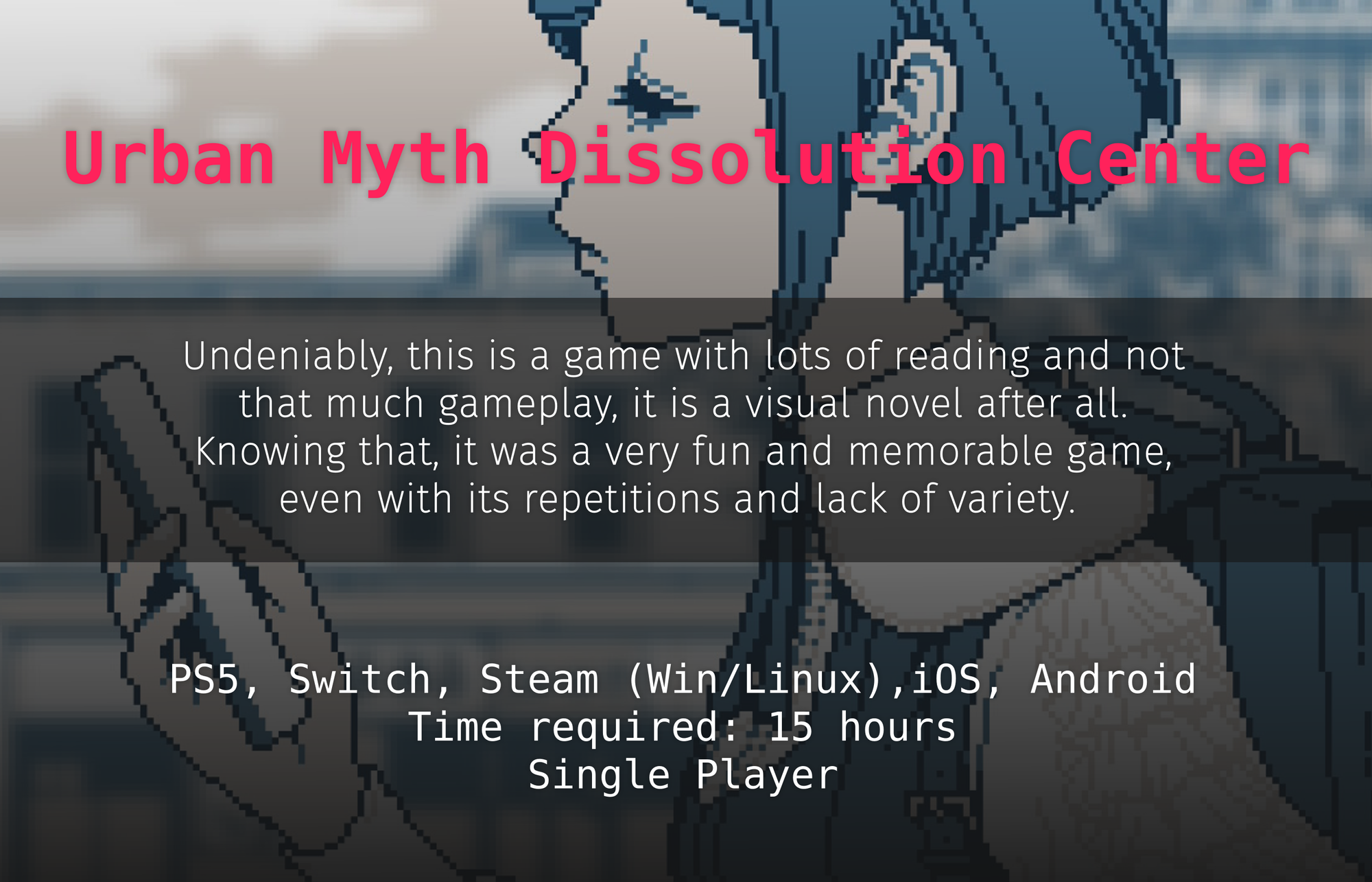
Undeniably, this is a game with lots of reading and not that much gameplay, it is a visual novel after all. Knowing that, it was a very fun and memorable game, even with its repetitions and lack of variety.
![Urban Myth Dissolution Center [Review]](https://storage.ghost.io/c/99/4e/994ec29e-38c9-4a86-87eb-e15f426ddf35/content/images/size/w1200/2026/04/IMG_6683.jpeg)
I was pretty much sold on the premise of Urban Myth Dissolution Center at first sight. I like visual novels, and the whole mysterious tone added to the very pretty artwork were alone good reasons for me to start this game.
And I must say that after I started, I thought about it nonstop for three days straight.
The opening shows how strong visual novels can be as a narrative device. Without pulling any stops, the first scene instantly sets a dark and creepy tone that clashes with the bubbly personality of Azami Fukurai, the main character of the game.
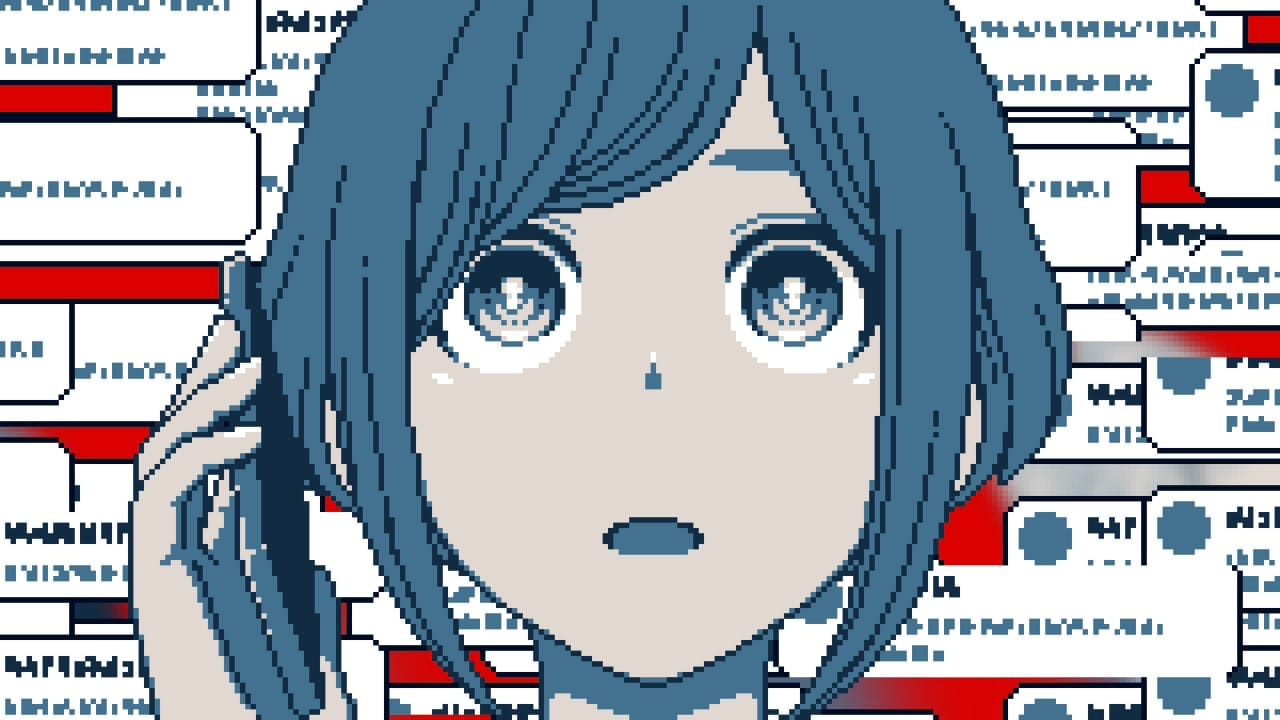
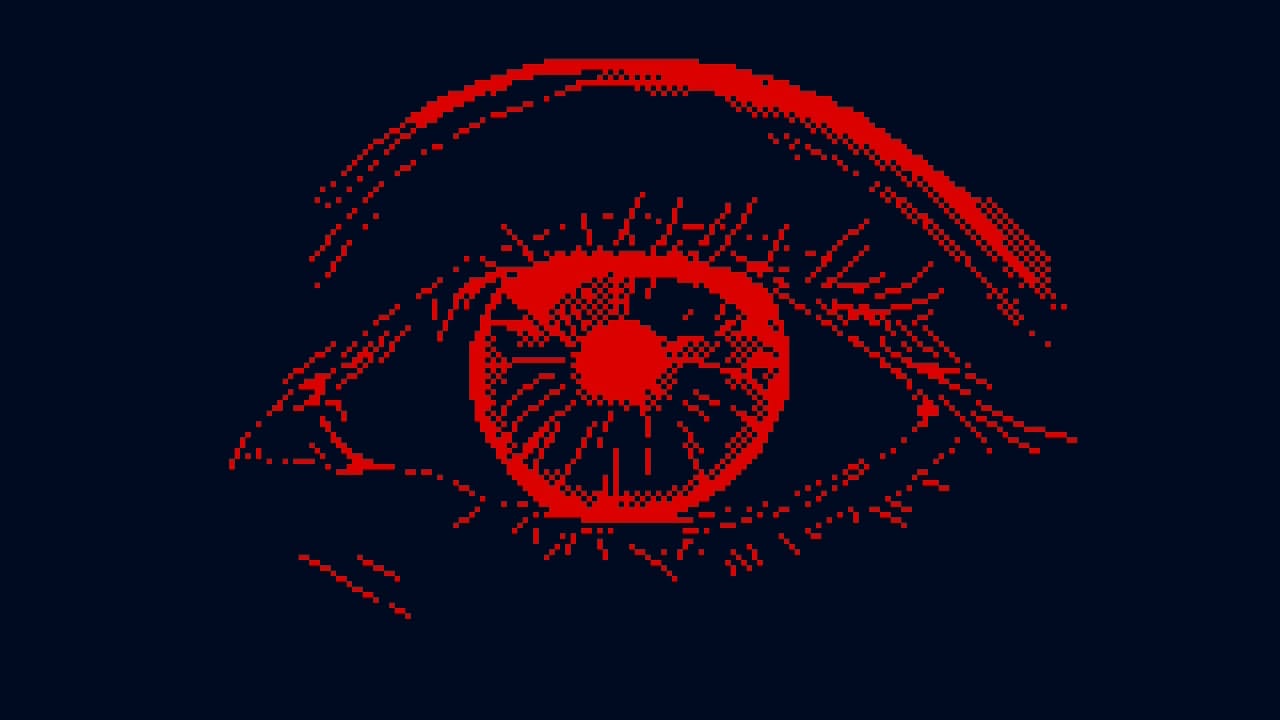
Being in the wrong place at the wrong time, She is basically gaslighted– I mean, convinced to work at the Urban Myth Dissolution Center, a private institution that unmasks what seems to be myths around the city just to create YouTube video-essays about their undoing.
The reason for her hiring wasn't by accident: after being poached by this institution's ominous director, Ayumy Meguriya, she now knows how to use a new ability: a clairvoyance that can peek into past events.
The perfect ability for someone who needs to investigate the most mysterious cases and occurrences across town. Urban Myth Dissolution Center is a point-and-click visual novel with different types of light puzzle solving. When Azami puts on some glasses given by her Director, ghosts of the past can appear, denouncing lies or showing the hidden intents by everyone around here.
There are six episodes with six different mysteries, all connected through shadowy tarot-like cards that seem to foretell horrific events. Each case was really memorable, with interesting personalities that ended up being fun, albeit a bit predictable. Although the conclusion of each chapter are like that, easy to guess, the end of the game is anything but: I was speechless, with a twist that I wasn't expecting at all.
It is hard not to say that the gameplay of this is lacking. I've felt that way because the presentation makes it feel that the game will have more interactions than it actually has. The chapters are really formulaic, and although they all share some puzzles related to Azami's investigations, there's not much of a defining gameplay feature to each chapter, with some exceptions.
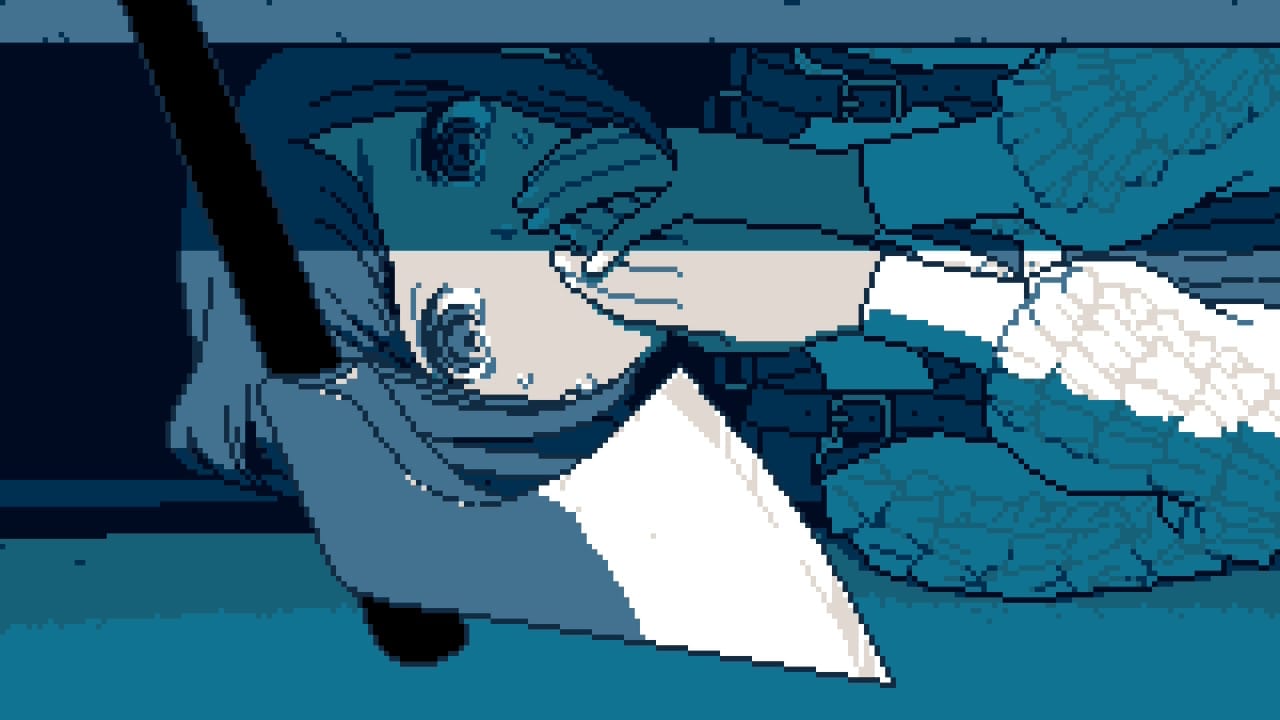
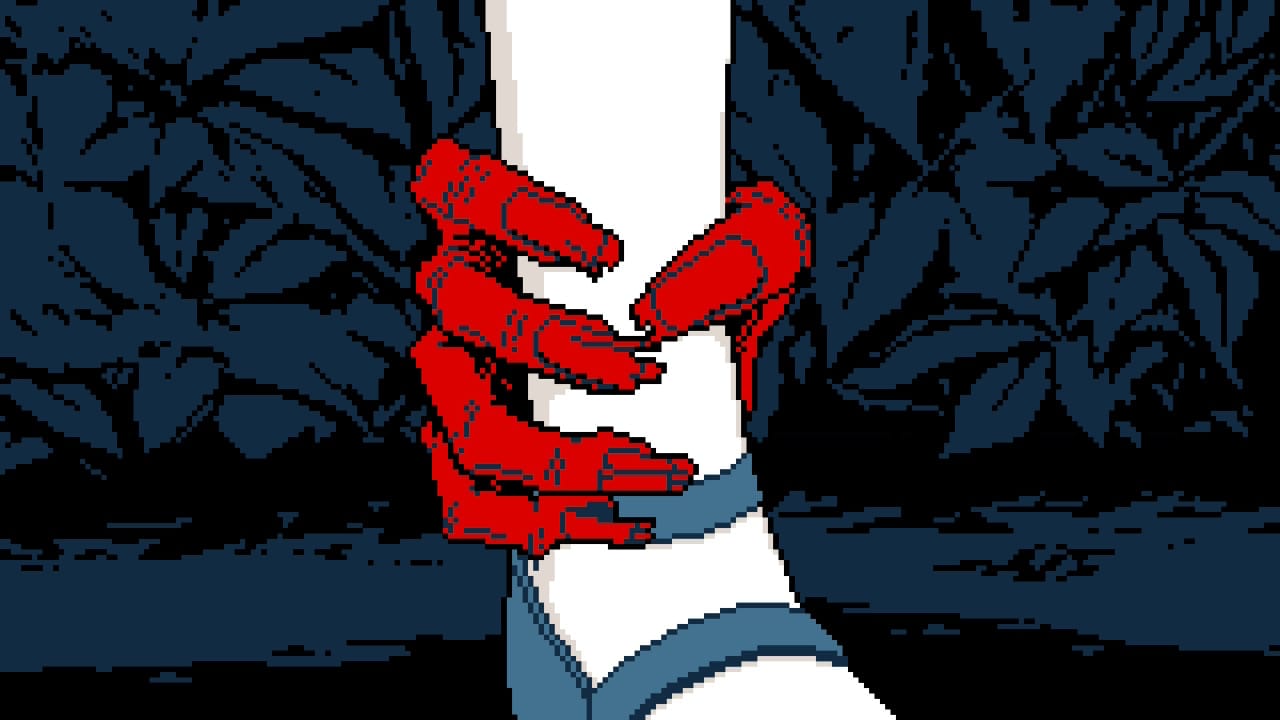
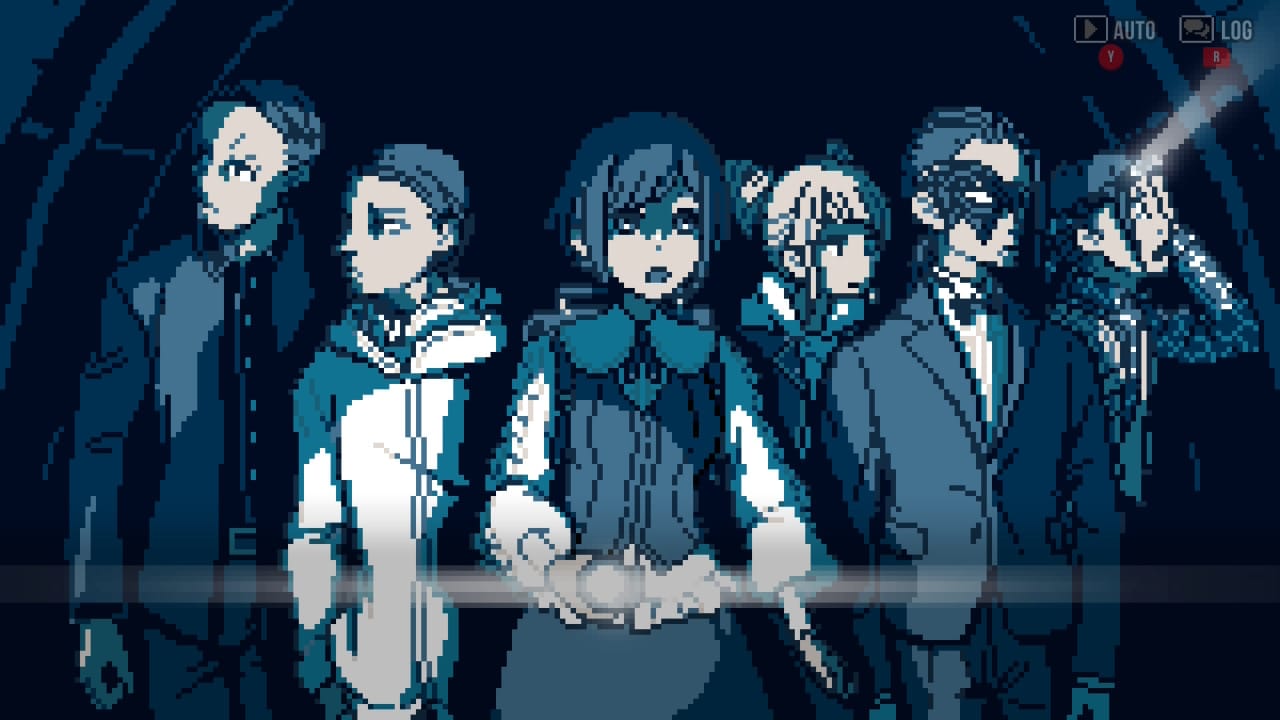
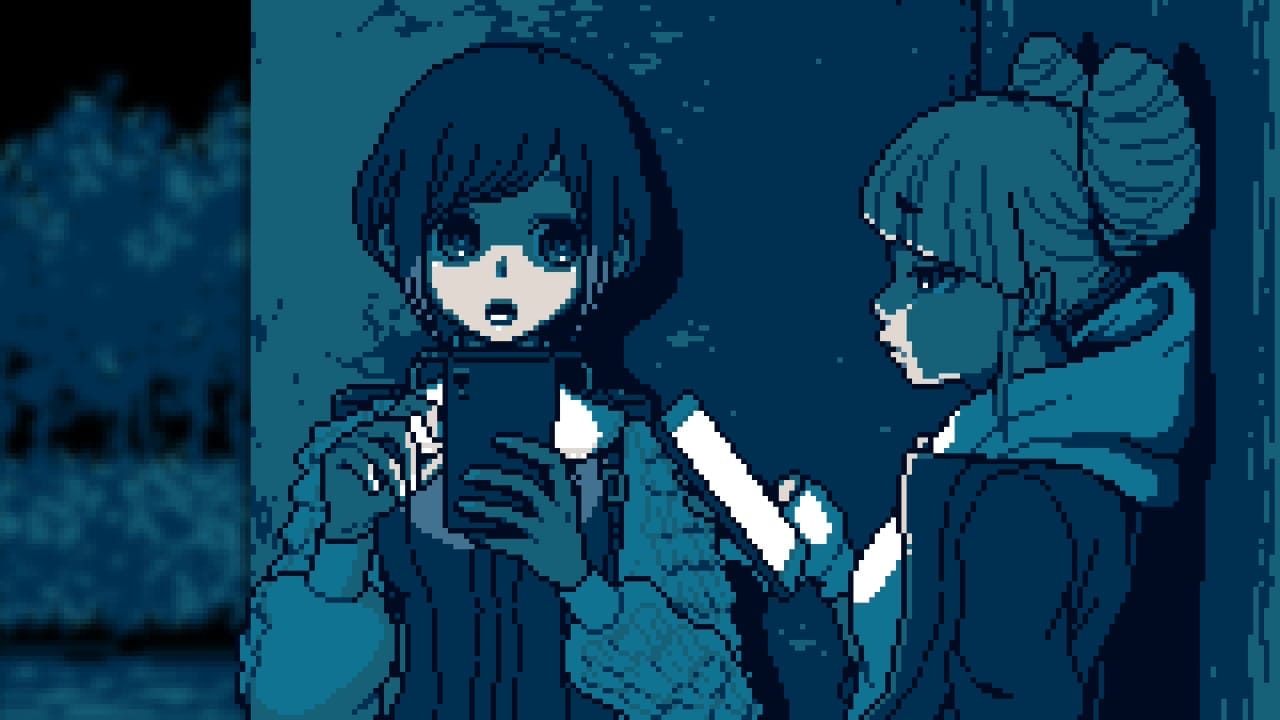
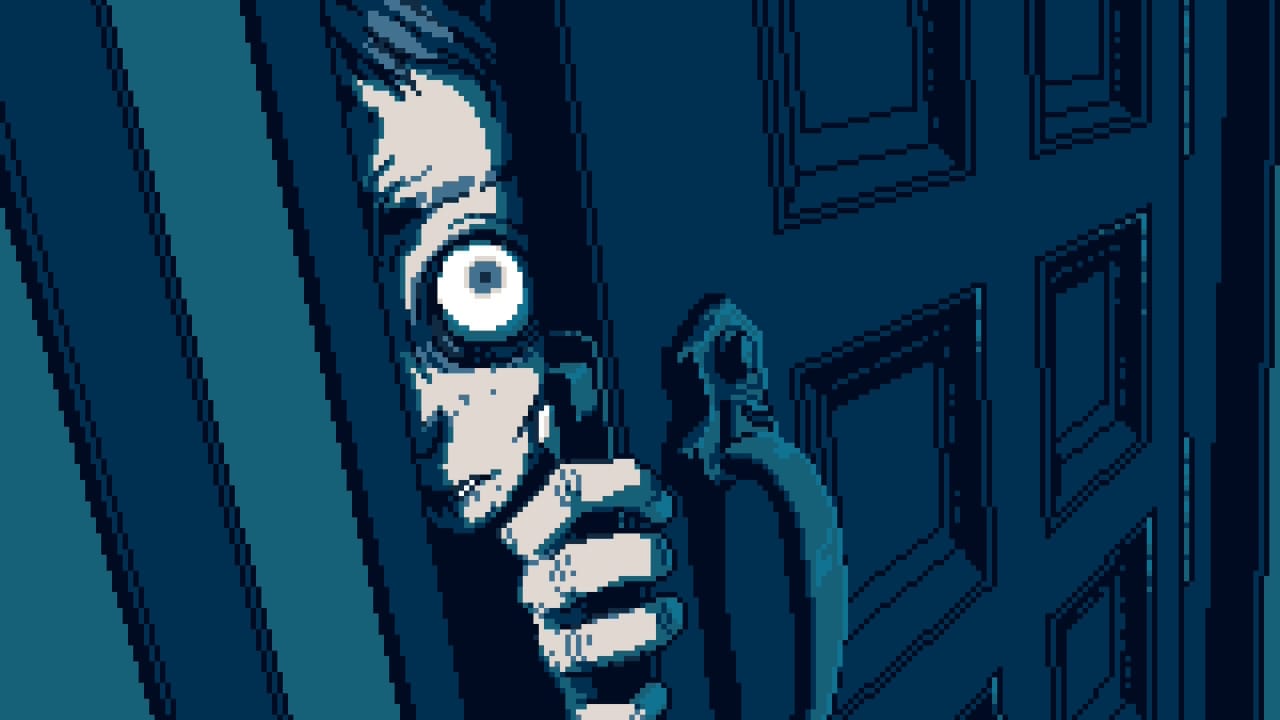
But because everything is so well animated and full of personality, it was easy for me to go through the episodes with a rarely seen voracity – I was that interested in the whole mystery of it all. I wanted to know how it would end, regardless of some spotty gameplay choices.
Beyond the detective work with people involved in the urban myths, the game also has a "social media investigation" section that is often done alongside Azami's driver Jasmine. They both go through dozens of posts, and these are surprisingly well written moments of world-building. Jasmine is a constant presence that is always delightful with her quick and sassy remarks, so the social media parts were always enthralling.
The anxieties of modern life are no joke, and how empowered some people can feel online to do harm is undeniable. People share lies, create stories and do bullying just because, and rarely face the consequences of it. This game's approach to these heavier themes is surprisingly well handed mostly because of the poignant (and, again, sassy) remarks of Jasmine or cryptic insights from Meguriya, the director.

The gorgeous presentation is not reserved only for the portraits and dialogues. There are lots of perspective changes, quick scenes and interesting direction that can indeed create some legitimately spooky moments. I didn't enjoy all the episodes equally, and I can't deny that they all play similar and can be a bit repetitive.
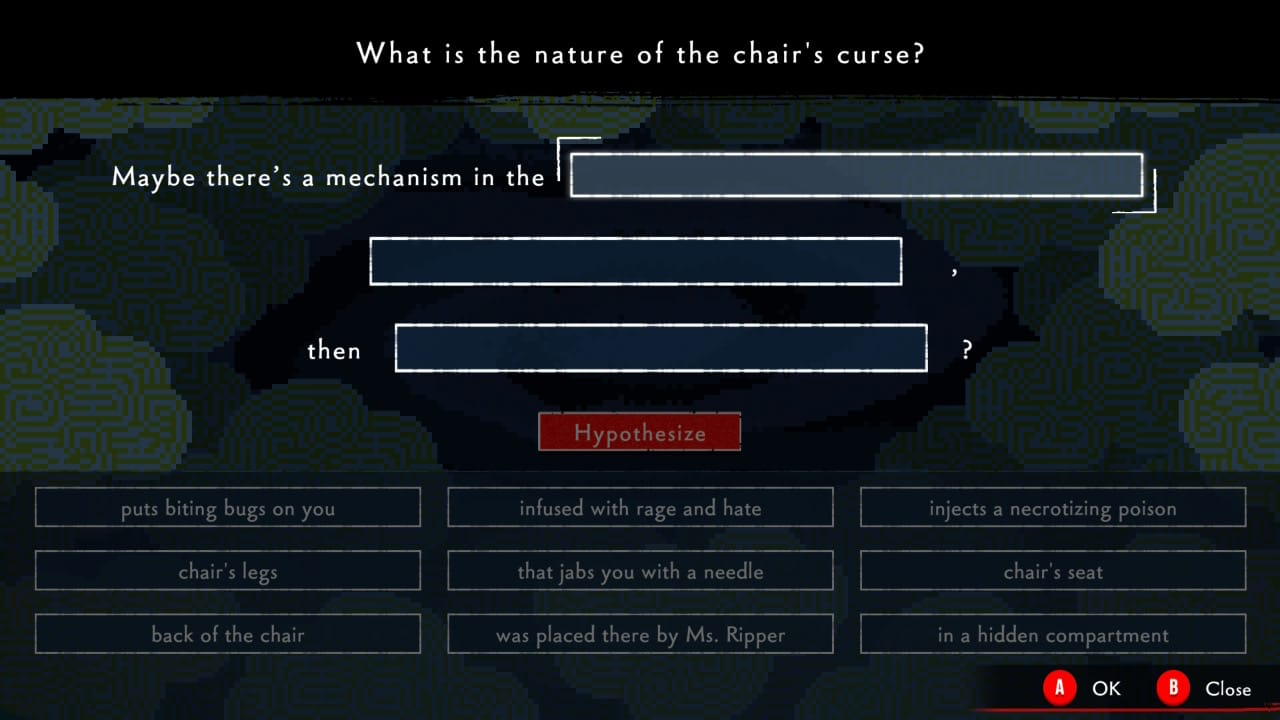
One of the recurring puzzles that happened throughout the game was a sentence creator that organizes Azami's thoughts into understandings about her environment. Everything is always written on an expansive journal that looks good but can sometimes feel overwhelming with the lack of filters and a crowded UI overall.
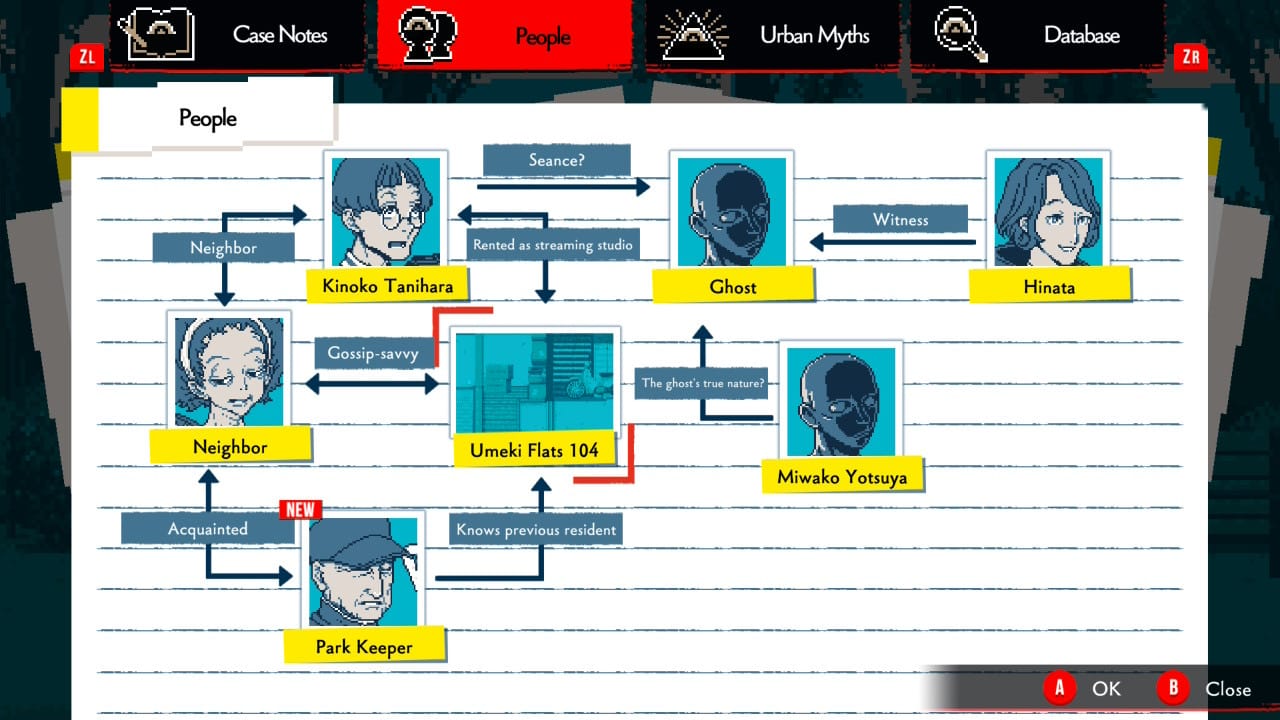
Clocking at around 15 hours, the game doesn't overstay its welcome, but can be somewhat tiresome for people who aren't really used to visual novels, and the lack of voice acting doesn't help as well. Still, the great soundtrack is always there, and the voice track in the end of each chapter never failed to create a sense of closure.
Undeniably it is a game with lots of reading and not that much gameplay – it is a visual novel after all. Knowing that, Urban Myth Dissolution Center was very fun and memorable, even with its repetitions and lack of variety.
8/10
![Pragmata [Review]](https://storage.ghost.io/c/99/4e/994ec29e-38c9-4a86-87eb-e15f426ddf35/content/images/size/w720/2026/04/PRAGMATA_CAPA.jpg)
![Crimson Desert [Review]](https://storage.ghost.io/c/99/4e/994ec29e-38c9-4a86-87eb-e15f426ddf35/content/images/size/w720/2026/04/Crimson-Desert_20260416182431.jpg)
![Black Myth: Wukong [Review]](https://storage.ghost.io/c/99/4e/994ec29e-38c9-4a86-87eb-e15f426ddf35/content/images/size/w720/2026/04/Black-Myth_-Wukong_20260402203639.jpg)
Comments ()