Crimson Desert [Review]
Crimson Desert is smoke and mirrors: the game. Nothing is really that interactive or that well realized. Addictive to play, but the worst version of all its inspirations.
![Crimson Desert [Review]](https://storage.ghost.io/c/99/4e/994ec29e-38c9-4a86-87eb-e15f426ddf35/content/images/size/w1200/2026/04/Crimson-Desert_20260416182431.jpg)
There's a relentless urge for Crimson Desert to always have more. Regardless of its potential, the nonstop avalanche of systems and contrasting design philosophies creates a game as vast as the ocean, but as shallow as a puddle.
Crimson Desert is directly inspired by all the trends in open world video games. And by all, I mean it: from Assassin's Creed II to Skyrim to Tears of the Kingdom and every open world game released in between. It feels like it is trying to be great by osmosis – if it worked in these well received franchises, it will certainly work here. It is intentionally derivative.
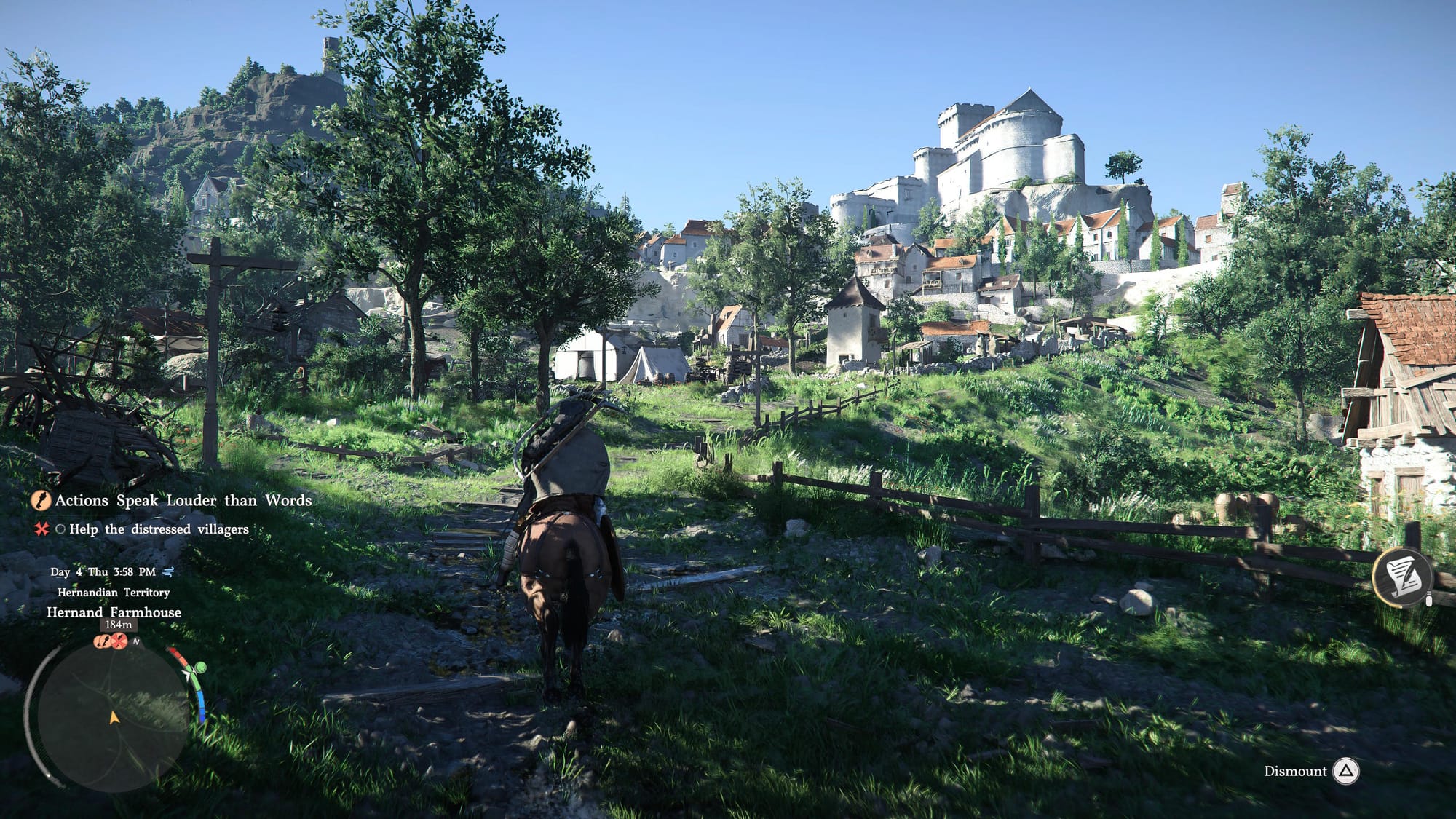
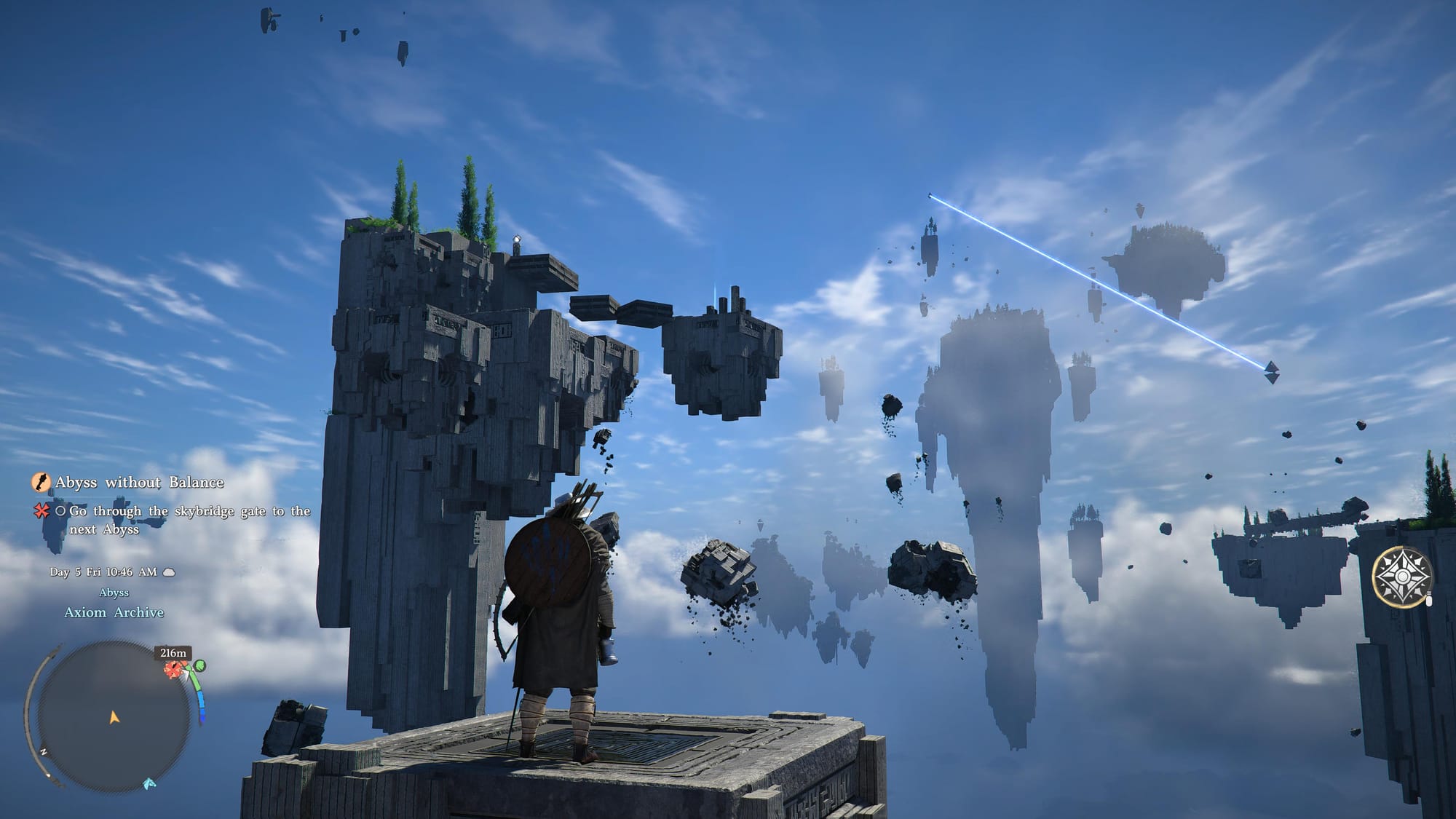
The story is very much nonsensical, with late entrances and bad pacing, terrible dialogues and honestly unlikable characters. Everyone is absurdly one note and the narrative felt disjointed from the beginning.
Kliff is part of the Graymanes, a... Militia? That is suddenly attacked and scattered across the world of Pywall by the evil Blackbears, another militia. Ethics are this black and white: good is always good, bad is always bad.
I swear, it is impossible to like or relate to Kliff. The other two playable characters are a bit nicer, but not much, and way less important. I'd seriously have preferred if I could've created a character and have him be a silent protagonist.
There's too much of "slowly walk behind this character while listening to their dialogue" and every single time some story content was delivered in this way, I was instantly uninterested. Dialogues can overlap with each other, the voice acting vary in quality, the auto-path isn't reliable and it always felt bad.
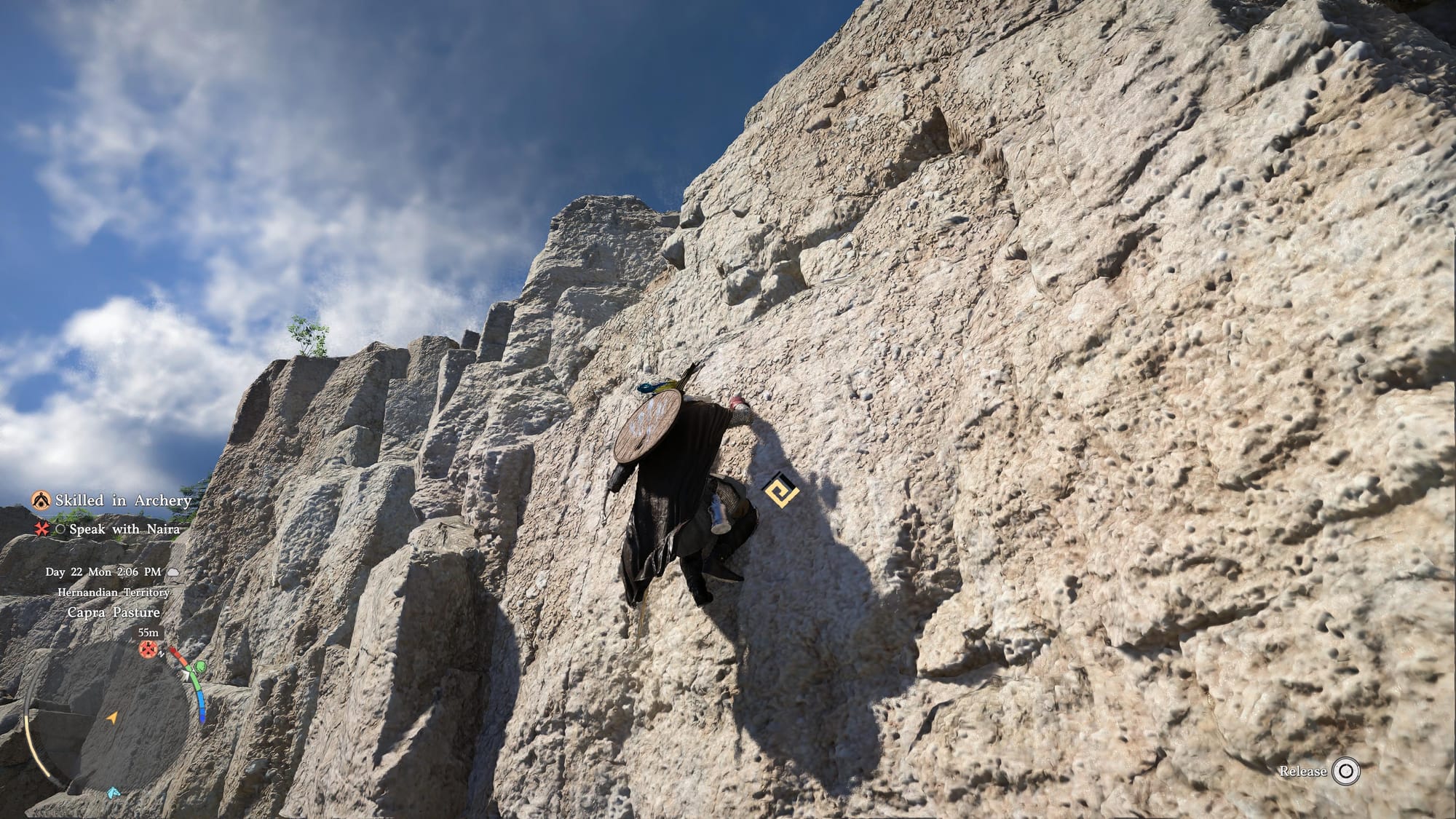
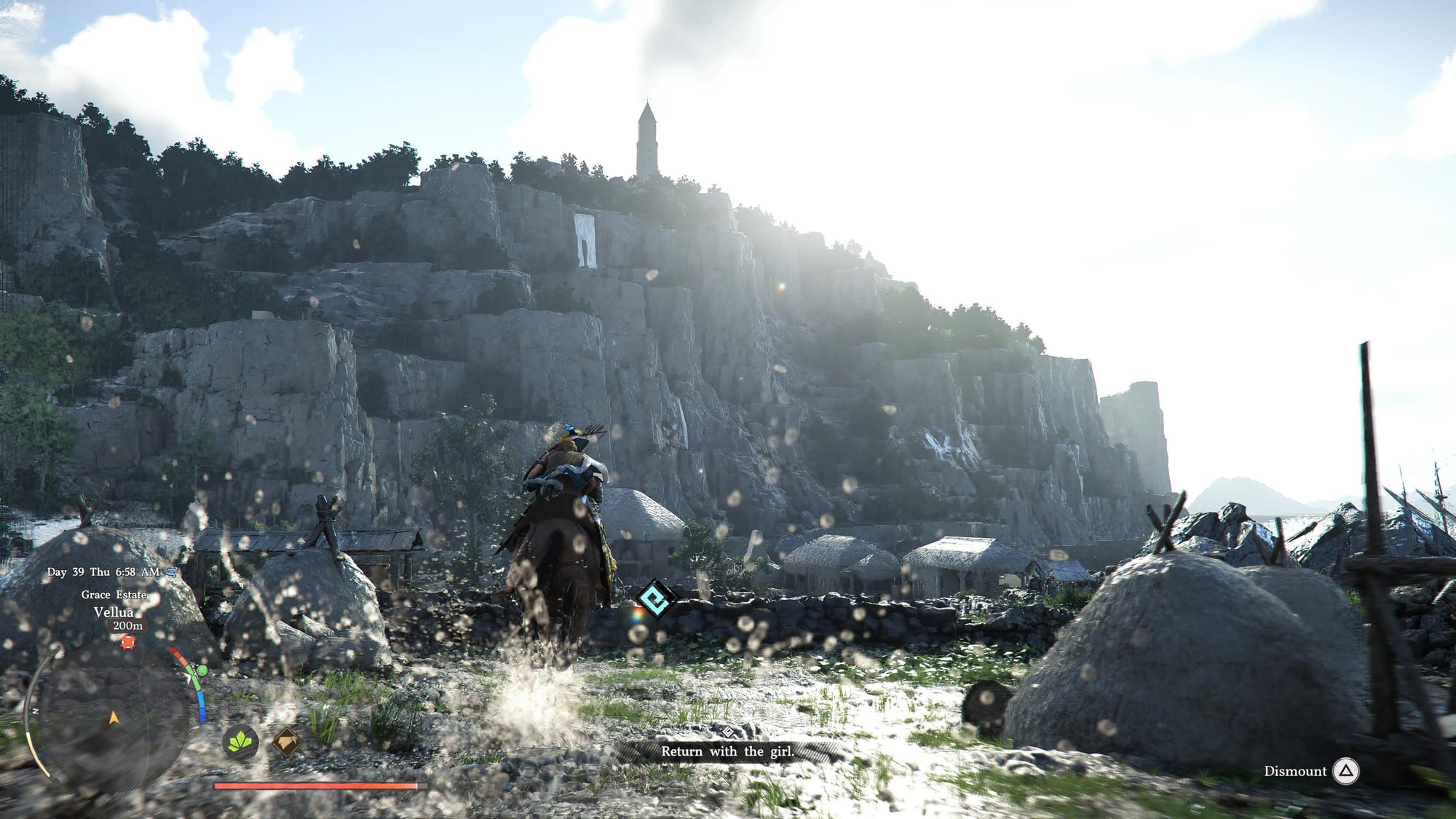
The game is divided in 12 chapters, plus an epilogue and a prologue. Even with this linear structure, Crimson Desert's exploration can be everything but. Hundreds of quests are sprinkled throughout Pywall, and I actually liked how easy it is to differentiate the more engaging ones from the more menial requests.
These better quest lines are too repetitive with the "clear the whole camp" kind of objectives that made me mindlessly kill hundreds upon hundreds of waves of enemies until completion, but at least they feature somewhat fine bosses and rewards.
Combat is simple with a light attack, that doesn't spend stamina to use, and a heavy attack that does alongside parries and dodges. Finding good moments to unleash a flurry of heavies is fulfilling, but some encounters are more like gear checks than anything else.
Controlling Kliff is decent, but there are some clunky moments with inputs that aren't properly recognized or a camera that can't decide which enemy to focus. It can be infuriating to be in a boss fight and miss the strong attack because the camera pivoted to an off-screen enemy, something that happened far too often.
Although the cities are big, the daily life of its inhabitants isn't really interesting, as most of the more important folk, like shop owners and quest givers, are always around, regardless of time. There are some conditions here and there that must be met to enter in one or two places of the cities, but most of the locales work the same. Just static hubs with pretty packaging.
There are some activities to be done, like arm wrestling, shooting arrows on targets, bare-fist fight clubs and some more. These side activities were always fun and welcomed.
Most of these problems could have been solved with better realized social systems, but decent writing could've helped a lot too, and it is sorely lacking in the world of Pywall. Too many repeated lines, appearances, and dialogues made most of the frame-per-second consuming populace uninteresting and dull.
A bright spot of the game lies in its varied equipment builds and gameplay styles. Every equipment can be refined to stay relevant. There's some grind required that is a nuisance sometimes, but by the third act I wasn't really missing on upgrade materials or facing enemies that forced me to change my set.
The nicest part of the gearing system is with the witchcraft slots, that can be imbued in most of the acquirable equipment. Customizing the pieces was fun, and I felt that I could make Kliff play as I wanted in battle. There are lots of accessories and trinkets that interact with the world, and while nice, they're not that useful.
Another highlight of this whole slot system is how effects are removable from gear for no cost, so experimentation is cleverly pushed, and some builds can break the combat in fun, player-made ways.
The visuals are strong, but with massive caveats. The game doesn't look particularly stable, with terrible pop-in and terrain deformation shockingly close to the camera. Fancy lightning techniques and an impressive field of view create some jaw dropping moments, but crowded scenes are a given to drop the frames to the below 30 FPS range. There's always a but with Crimson Desert.
The presentation undeniably bit off more than what it could chew. For example, they wanted to have interactive message boards, but didn't care to really finish the art in everything that is readable. The same for recipes and food in general. Some aspects of the presentation are overproduced, while other are lacking.
There's visible LLM ("AI") generated imagery, and it is always ugly. Crimson Desert has moments of striking attention to detail, but these are undermined by questionable decisions that left me doubting every prop in the game.
A term not often used to describe offline, single-player games is the "theme park" moniker often attributed to games like World of Warcraft and Final Fantasy XIV. Because of the online and persistent nature of titles like these, there's a lack of real interaction on the leveling process. It is only for show, basically smoke and mirrors.
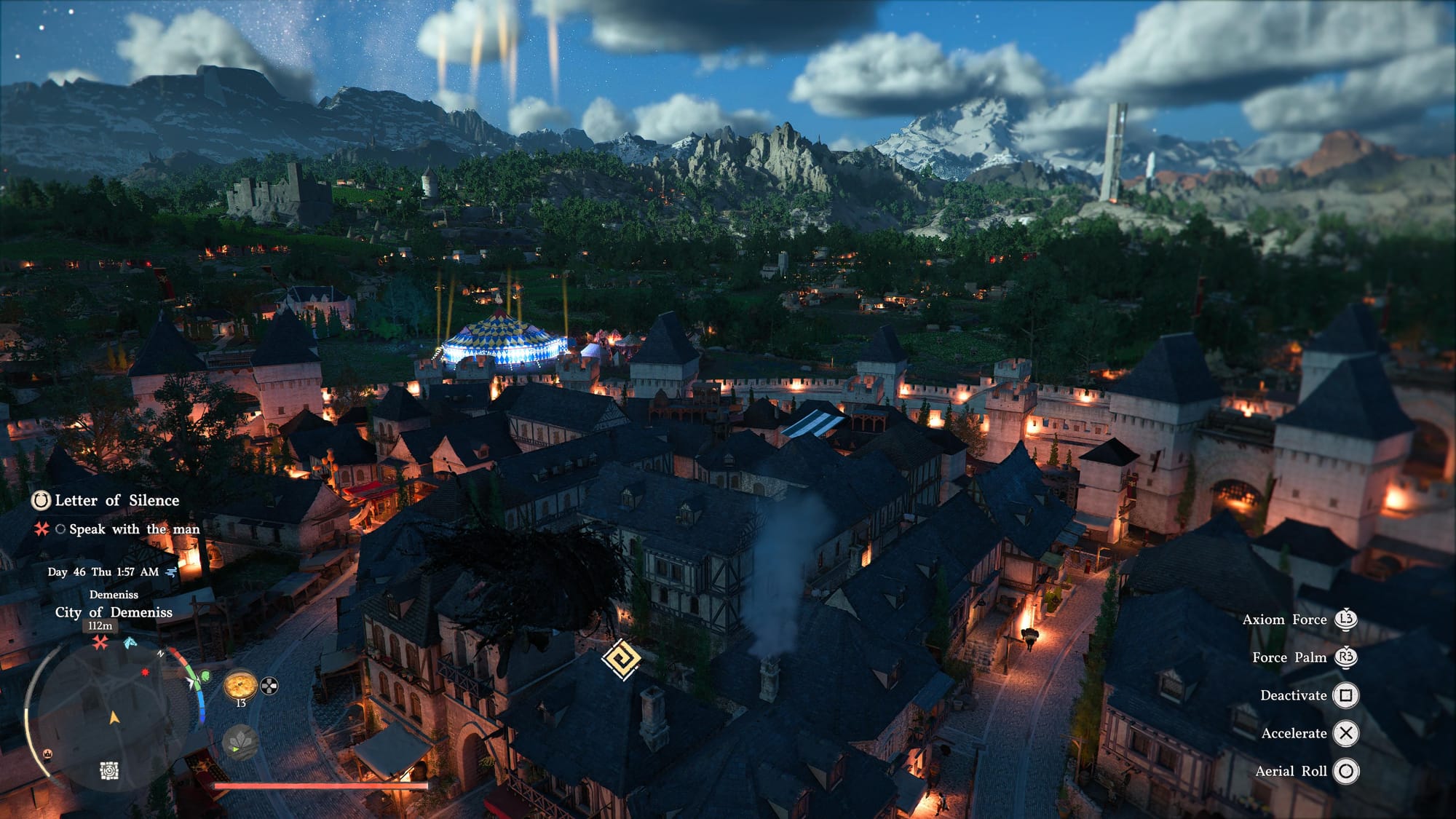
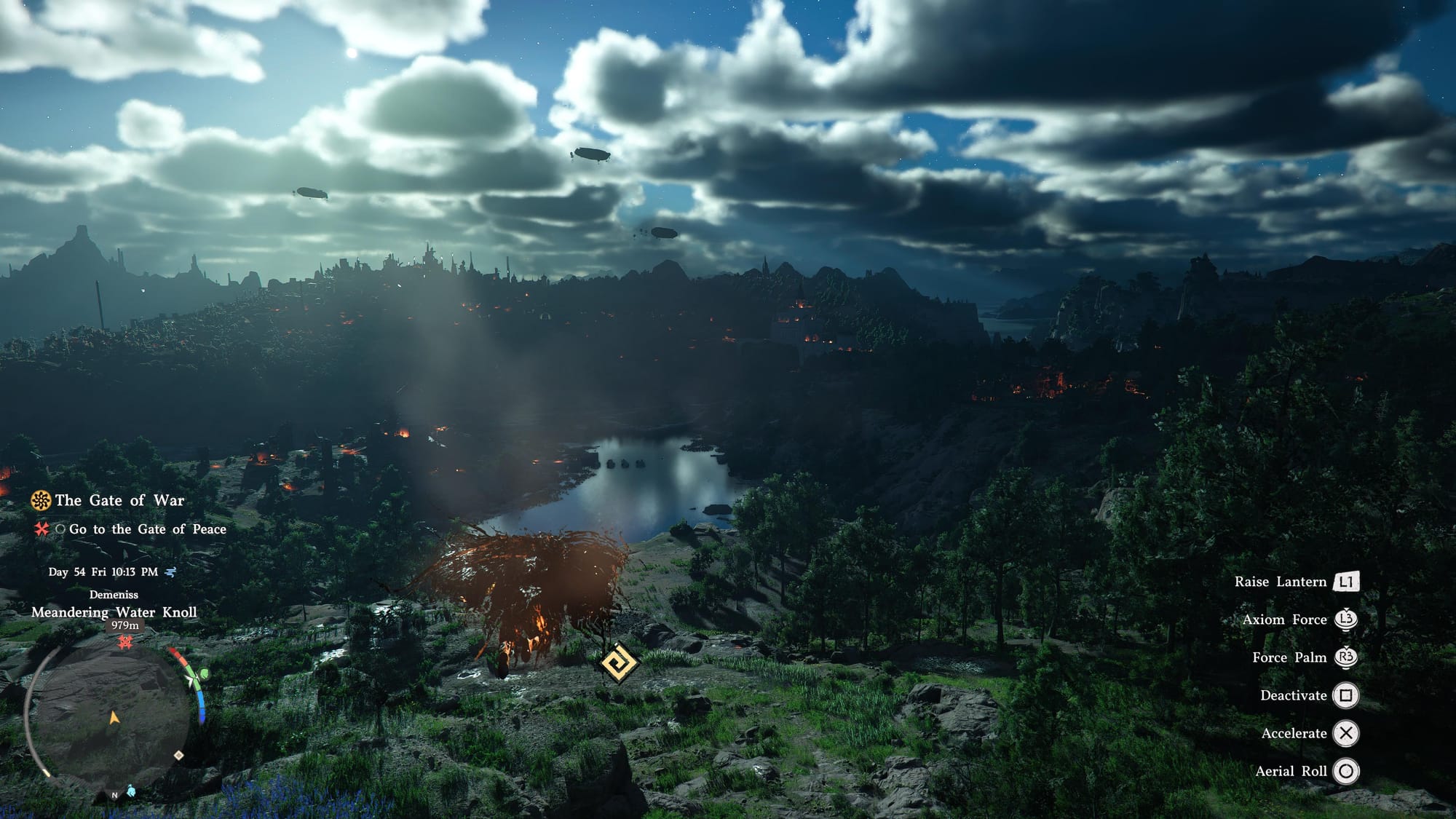
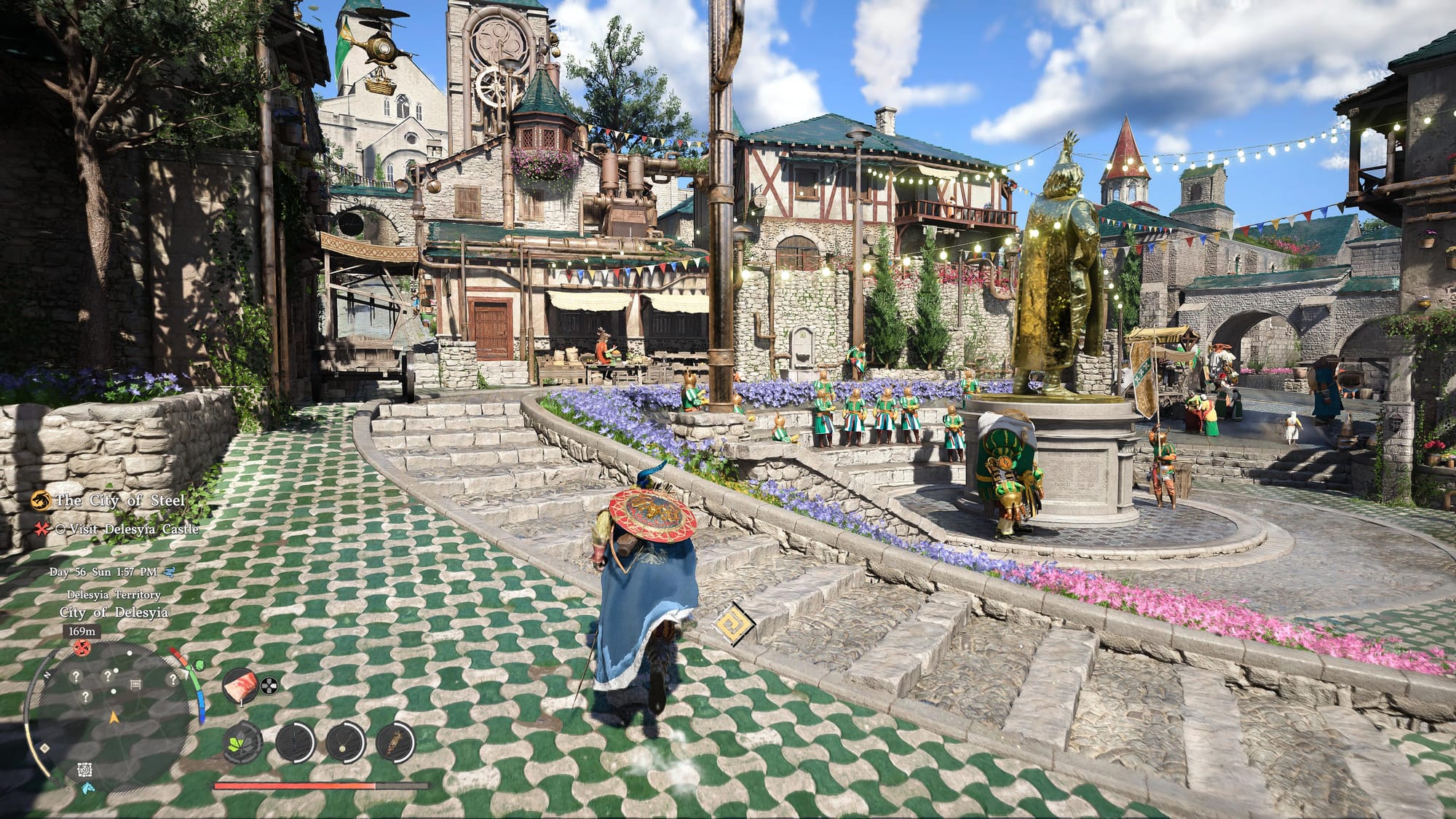
Crimson Desert is smoke and mirrors: the game. Nothing is really that interactive, and most systems felt deeply incomplete, and exist just to be there. Their state actually hurt the game, muffling its vision and identity, and drags its qualities down.
It is undeniably addictive to play, though, because completing quests, exploring the world and killing bosses can sometimes feel good. The sense of exploration is there, the world is immense and there are fun puzzles to do throughout Pywall.
But in the end, it is still hard to put into words why I disliked this game in a way that doesn't sound petty. "It is better in other games" is something that I vehemently try not to think about while writing about games. But it is clear as day that Crimson Desert is just the worse version of all its inspirations.
5.5/10
![LEGO Batman: Legacy of the Dark Knight [Review]](https://storage.ghost.io/c/99/4e/994ec29e-38c9-4a86-87eb-e15f426ddf35/content/images/size/w720/2026/05/LEGO---Batman---_-Legacy-of-the-Dark-Knight_20260526221950.jpg)
![Nine Sols [Review]](https://storage.ghost.io/c/99/4e/994ec29e-38c9-4a86-87eb-e15f426ddf35/content/images/size/w720/2026/05/Nine-Sols_20260514231629.jpg)
![Tomodachi Life: Living the Dream [Review]](https://storage.ghost.io/c/99/4e/994ec29e-38c9-4a86-87eb-e15f426ddf35/content/images/size/w720/2026/05/6-1.png)
Comments ()